
Fueling the Future: How VinFast is Building a Complete Electric Ecosystem to Drive the Philippines Toward Sustainable and Practical Mobility
The Philippine automotive market has reached a critical pivot as soaring fuel costs drive a 79.9% surge in battery electric vehicle sales. At a recent industry symposium, VinFast Philippines emphasized that sustainable adoption requires a complete ecosystem, not just vehicles. To lead this transition, VinFast is deploying innovative solutions like battery subscriptions, a “Trade Gas for Electric” program, and free charging through 2029. This collaborative approach aims to transform EVs from a niche alternative into a scalable, practical necessity.
– Diana Lyn A | Traffic Network PH
VinFast builds EV ecosystem as Philippines hits turning point
OFFICIAL RELEASE: VinFast Philippines | PUBLISHER: ADVAI
Manila, Philippines, April 27, 2026 — Electric mobility in the Philippines has reached a turning point. Rising fuel costs are turning battery electric vehicles (BEVs) from an alternative into a practical necessity, but widespread adoption will hinge on the development of a complete and reliable ecosystem.
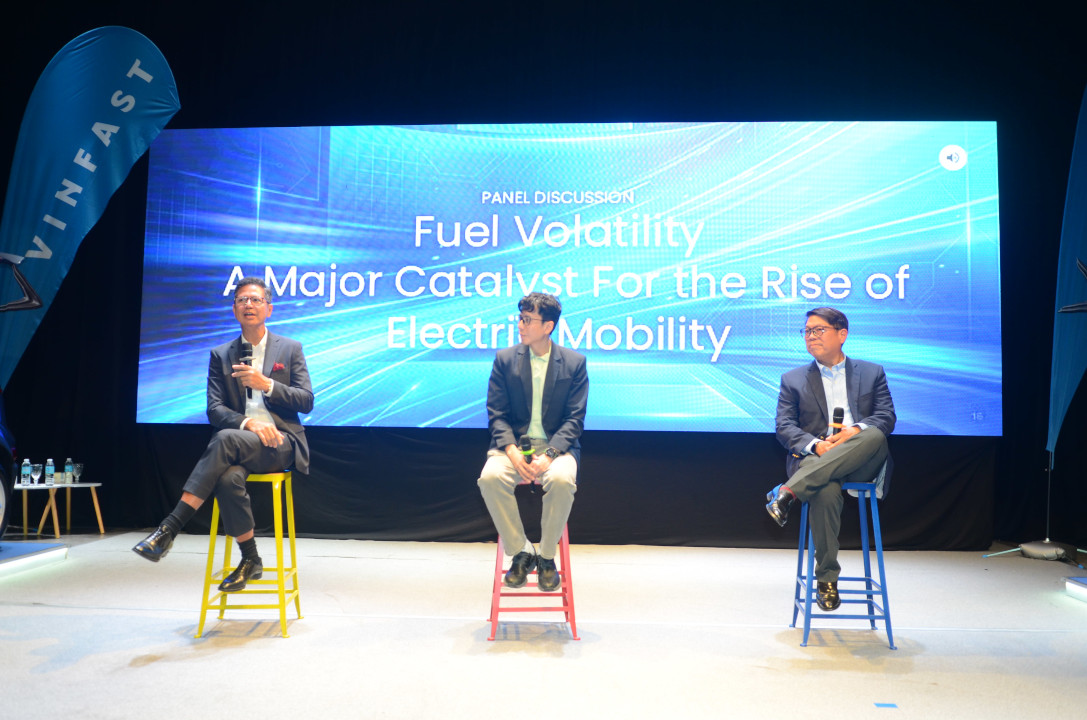
This was the central message at the “From Fuel to Future: The Philippines’ EV Turning Point” symposium, hosted by VinFast Philippines in partnership with Maybank Philippines, where industry leaders and stakeholders—including VinFast, Green GSM, V-Green, the Electric Vehicle Association of the Philippines (EVAP), and the Department of Energy (DOE)—gathered to examine how current market conditions are accelerating the shift from traditional vehicles to BEVs.
Once considered a niche or future-facing technology, BEVs are now emerging as a viable solution to real-world challenges. As highlighted during the symposium, persistent fuel price volatility, particularly in a fuel-import-dependent market like the Philippines, is driving both businesses and consumers to seek more stable and predictable mobility options.
Industry data from Chamber of Automotive Manufacturers of the Philippines and Truck Manufacturers Association reinforces this shift, showing overall new car sales declined 8.5 percent year on year in February 2026, while electrified vehicle sales rose sharply, including a 79.9 percent increase in battery electric vehicles. This shift marks a transition from BEVs being an option, to becoming a practical tool for cutting cost, improving efficiency, and planning long-term.
Industry and government stakeholders reinforced this momentum, noting that the conversation has evolved from questioning BEV viability to determining how quickly adoption can scale. Fleet operators, in particular, are increasingly recognizing the economic advantages of EVs, whose lower operating costs and more predictable expenses translate directly into improved business performance.
This shift also underscores the need for a fully functioning and reliable ecosystem to support widespread adoption. As emphasized during the symposium, accelerating the transition to electric mobility requires coordinated action across sectors, from consistent government policy and direction to industry alignment and advocacy to private sector innovation that builds market confidence. Together, these elements form the foundation of a system that makes EV adoption not only possible, but scalable and sustainable. And among them, VinFast stands out as one of the most active and vocal players.
“The Philippines is at a real turning point in mobility, but progress will depend on how well adoption is supported. Without a strong ecosystem, it risks becoming fragmented. That is why VinFast is focused on offering a complete ecosystem, not just vehicles, to support customers at every step of their journey,” said Mr. Antonio “Toti” Zara III, CEO of VinFast Southeast Asia.
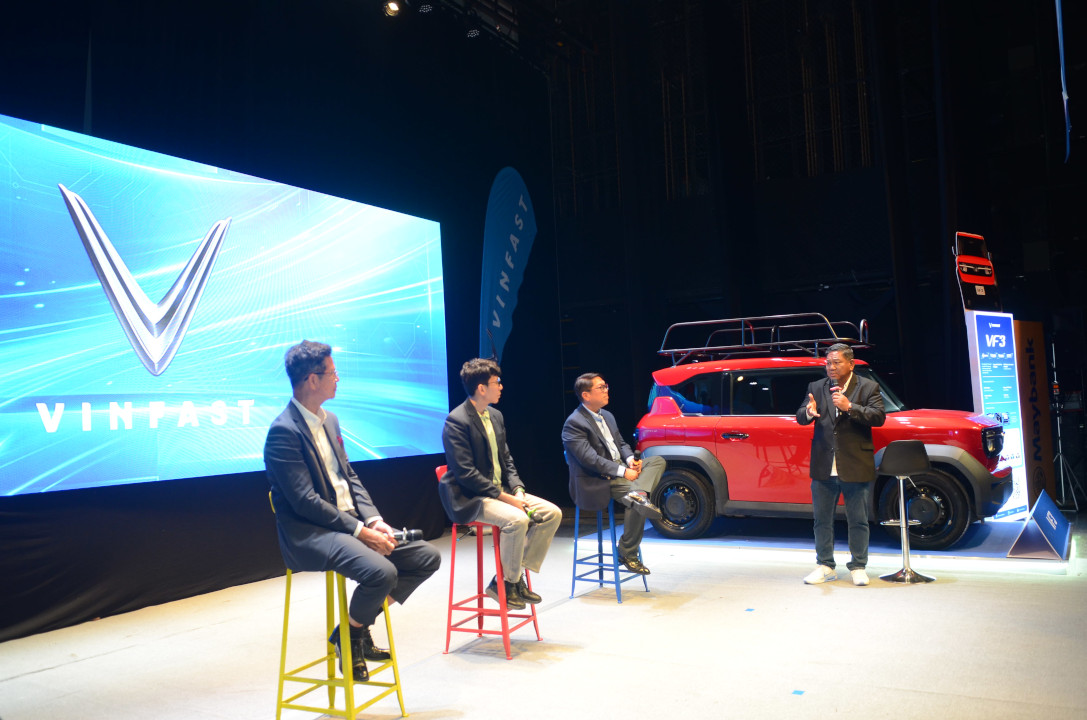
Rather than focusing solely on vehicles, VinFast’s ecosystem approach combines its own initiatives with key partners. Firstly, VinFast to date has introduced a range of solutions designed to address some of the most immediate barriers to adoption. These include its Residual Value Guarantee (RVG), the “Trade Gas for Electric” program, and its free EV charging initiative extended through 2029, all aimed at reducing financial risk, lowering operating costs, and making the transition more accessible for both individual and corporate users.
Another key pillar of this approach is VinFast’s Battery Subscription Program, which significantly lowers upfront vehicle costs while removing long-term concerns around battery performance. By treating the battery as a service rather than a fixed asset, the model helps make EV ownership more financially accessible and predictable.
VinFast’s ecosystem is also built through close collaboration with partners, including charging infrastructure through V-Green and mobility platforms such as Green GSM, helping make EV adoption more practical in everyday use. This is further strengthened by its partnership with Maybank Philippines, which plays a critical role in enabling adoption through more accessible and structured financing solutions.
These efforts align with insights shared during VinFast’s EV symposium, which highlighted that EV adoption accelerates when infrastructure, service, and usage models evolve together. Charging networks make EV use viable, after-sales support builds confidence, and fleet operations provide tangible proof that the economics work in real-world conditions.
As the second installment of the series, the event reflects a continued effort to move the conversation forward from awareness to action. By bringing together stakeholders across industries, the symposium reinforces that the transition to electric mobility is not merely theoretical, but well underway.




Elevate your digital journeys in tech-driven mobility with Traffic Network PH powered by VinFast Philippines.