EVAP Unites Government and Industry Leaders to Address Key Challenges and Accelerate Electric Mobility Growth Across the Philippines
The Electric Vehicle Association of the Philippines (EVAP) convened over 100 stakeholders—including regulators, vehicle manufacturers, charging operators, and financiers—to address key barriers in the country’s electric mobility ecosystem. Led by EVAP President Willy Tee Ten, discussions focused on aligning policy, vehicle technology, charging infrastructure, and financing options. The successful assembly highlighted growing collaboration across the local EV value chain and set the stage for the 14th Philippine Electric Vehicle Summit in October 2026.
– Dee Lane | Traffic Network PH
EVAP Convenes Government and Industry Leaders to Confront the Roadblocks Facing Electric Mobility
The country’s first industry association for electric mobility drew regulators, automakers, and financiers into a rare, candid exchange about what is still standing in the way.

OFFICIAL RELEASE: EVAP | PUBLISHER: ADVAI
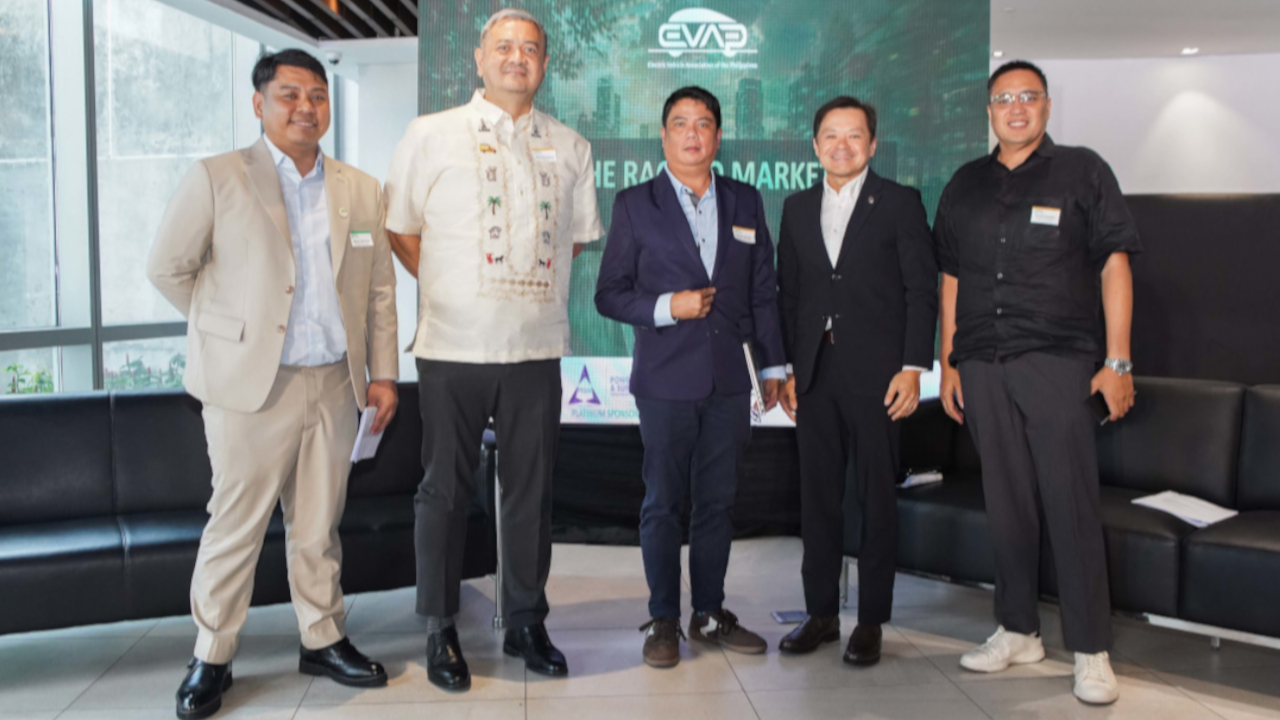
MANILA, Philippines, July 6, 2026 — Getting the full electric vehicle value chain into one room is difficult. Getting it to speak candidly is harder still. The Electric Vehicle Association of the Philippines (EVAP) did both, convening more than 100 members, government officials, and industry leaders for an afternoon that positioned the association as the country’s central table for electric mobility.
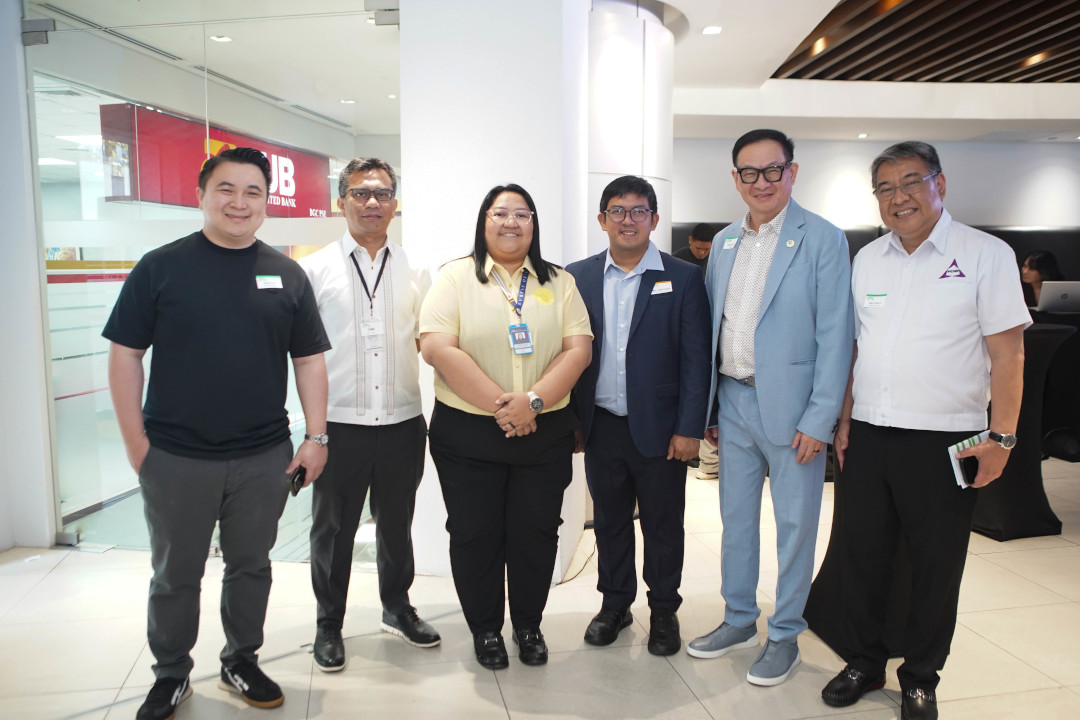
The room itself was the story. National regulators sat alongside vehicle manufacturers, charging network operators, banks and leasing firms, and infrastructure developers, the sectors that each hold one piece of the EV transition and rarely work through their friction points together in one room. That each of them showed up and spoke to the same set of challenges from their own vantage point is a meaningful alignment, one that points to a growing trust in EVAP as neutral ground, where the difficult but necessary conversations can happen before they reach the headlines.
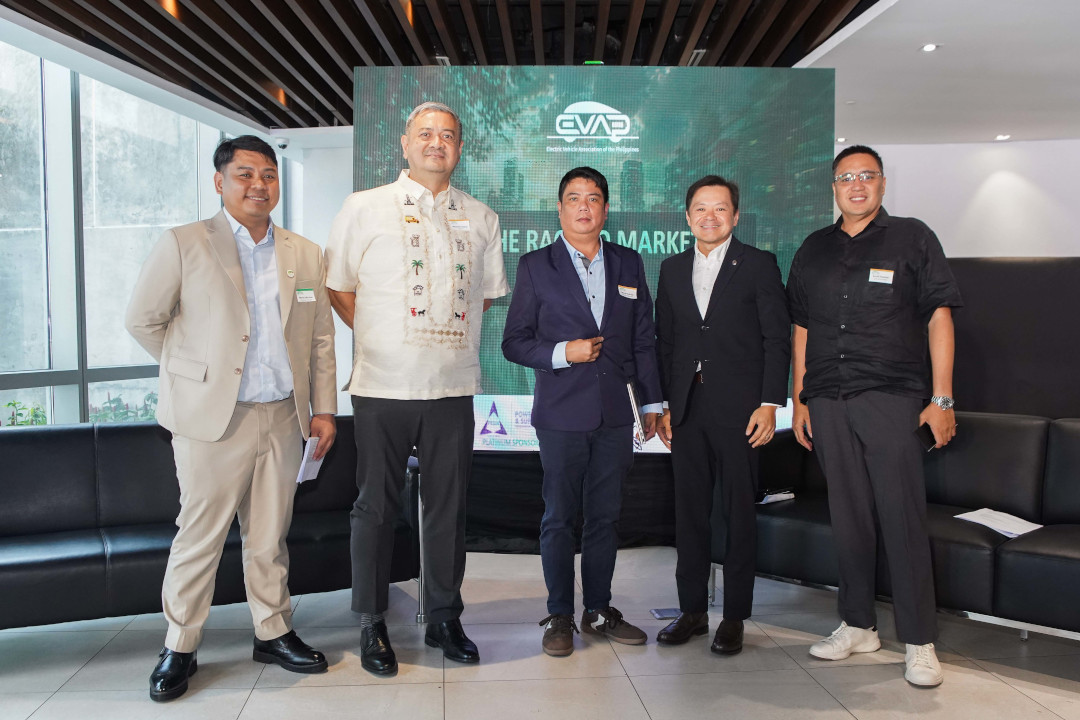
Across four sessions, the discussion traced the journey an electric vehicle takes from border to buyer: the policy and incentive regime that shapes what it costs to bring EVs in and build them here, the technology now reaching Filipino drivers, the charging network taking shape across the country, and the financing that widens access for individual buyers and fleets alike. The common thread was that these pieces, long addressed in isolation, are beginning to move in relation to one another.
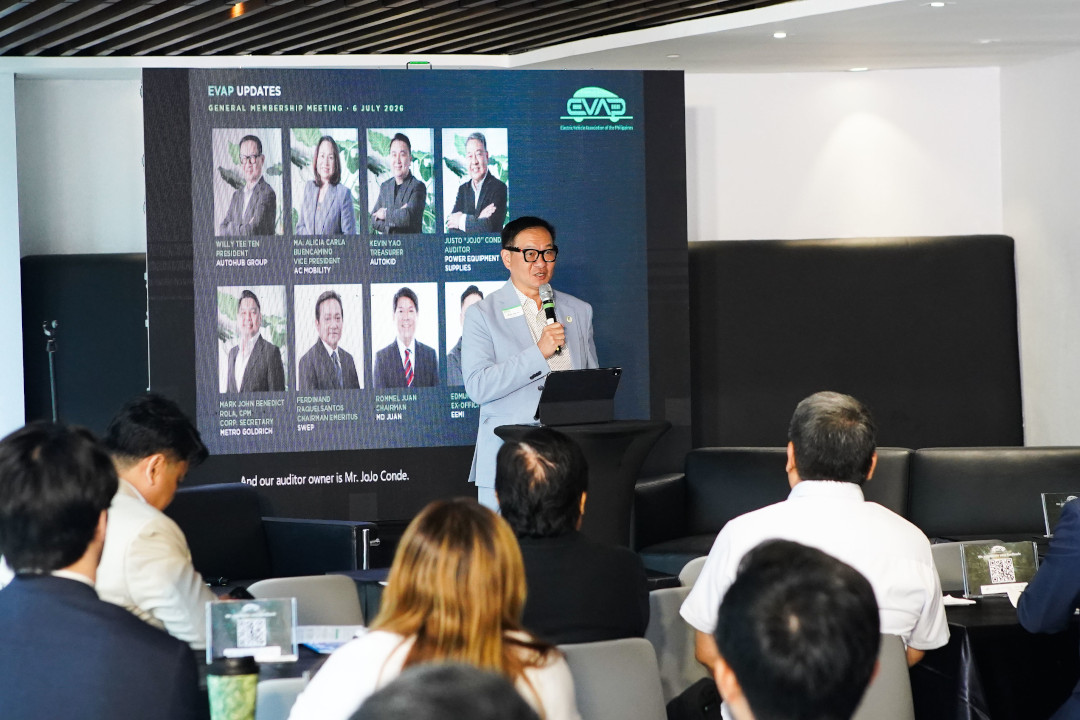
“For years, each part of this industry solved its own problems on its own,” said Willy Tee Ten, President of EVAP. “What today showed is that the automotive companies, the regulators, the power sector, and the financiers are finally in the same conversation. That alignment is the precondition for everything else this industry wants to achieve.“
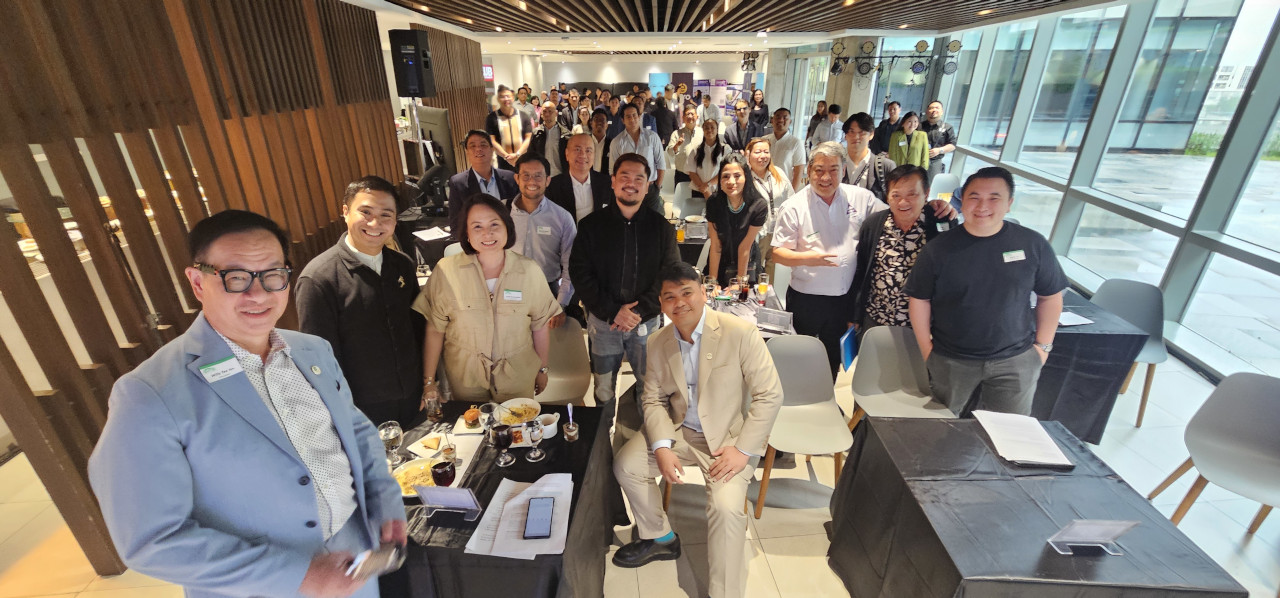
Following the panels, EVAP members convened for the association’s plenary session, which included updates on EVAP’s initiatives, the welcome of its newest members, and a preview of a full 2026 calendar, the highlight of which will be the 14th Philippine Electric Vehicle Summit to be held at the SMX Convention Center in Pasay on October 22–24.
EVAP thanks its platinum sponsors, ACMobility, FCC, and PESIN, and its supporting sponsors, Sysnet and WeCharge Hyperfast, whose partnership made the gathering possible.